
Before You Read
Looking for Your Next Horse?
Explore thousands of quality sport horses while you're here.
Explore thousands of quality sport horses while you're here.
We’ve all seen the movie moment: a child wakes up on Christmas morning to find a pony with a big red bow in the driveway. It is a beautiful dream, but unlike a bicycle, that pony has a mind of its own and requires daily care. Before you tie the ribbon, it is crucial to understand that buying a pony is less like purchasing a pet and more like adopting a lifestyle that didn't come with an instruction manual.
Think of ownership like maintaining a high-mileage vehicle. While the initial price tag matters, experienced owners know that the purchase price is often only 20% of the first year's total cost. The real financial commitment lies in the monthly maintenance, from veterinary bills to "livery" costs—the fee you pay to board a horse at a stable if you do not have land of your own. If you are ready to move from the lesson yard to your own chequebook, understanding these hidden expenses is the first step toward a sustainable investment.
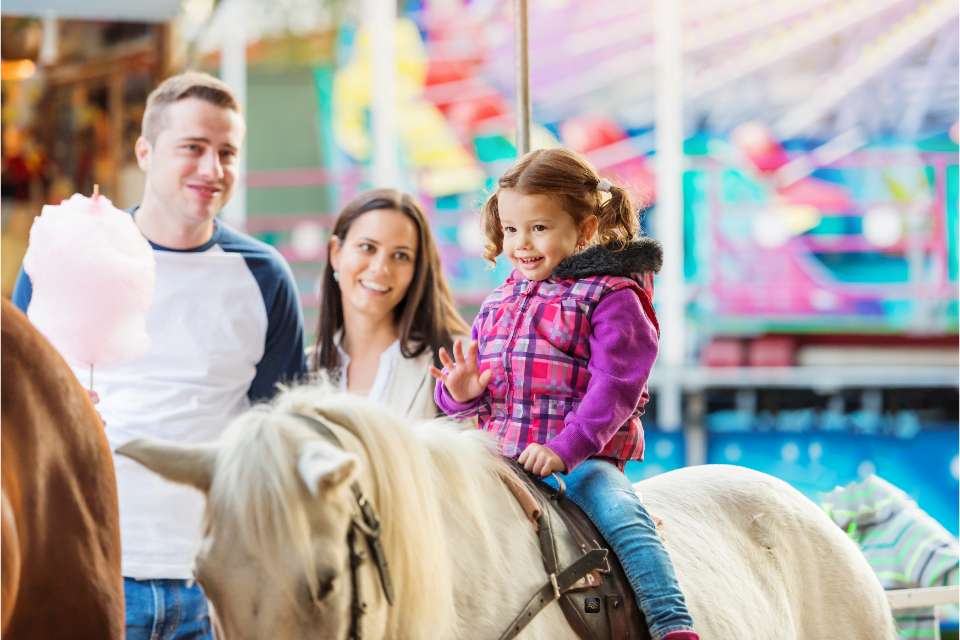
![A happy child safely leading a calm, well-groomed pony in a paddock, illustrating a successful partnership.]
Size is usually the first confusing metric for new buyers, as equestrians measure height in "hands" rather than feet. One hand equals four inches, so a pony described as "12 hands" stands exactly four feet tall at the shoulder. However, small stature does not guarantee safety. Navigating the debate of horse vs pony for beginners eventually comes down to one "Golden Rule": age usually equals experience. Most experts recommend looking for a "schoolmaster"—an older, experienced animal that has seen it all—rather than a young, flashy prospect. You must look past the pretty coat colour to find a temperament you can trust.
The purchase price is often just the down payment; the real financial commitment is the monthly subscription fee. Unless you have acreage at home, you will likely pay for "livery," which is essentially rent for your pony at a stable. Options range from "DIY Livery," where you rent the stable but do all the labour yourself, to "Full Livery," a hotel-like service where staff handle daily care. Weighing the pros and cons of full livery is critical: it offers freedom from daily chores but can triple your monthly bill compared to the DIY route.
Beyond rent, your pony requires a specialised mechanic for their feet. Because hooves grow constantly like human fingernails, they need professional trimming every six to eight weeks to prevent lameness. You will need to hire a "farrier," a specialist in equine hoof care, to trim and balance the feet. Even if the pony doesn't wear metal shoes, this regular maintenance cost is non-negotiable.
Feeding strategies can also be deceptive because many ponies are what equestrians call "easy keepers." This means they maintain weight easily on very little food, often getting fat just by looking at a lush pasture. While this sounds like it lowers the cost of pony ownership, an easy keeper requires strict management. You may actually spend more on specialised low-sugar hay or equipment to prevent them from eating too much and developing health issues.
Consider this baseline checklist for a healthy animal's monthly upkeep:
It is tempting to fall in love with a shiny coat or a flowing mane, but in the equine world, beauty does not equal safety. For a child or a beginner adult, the most valuable asset a pony possesses is age and experience, often found in what riders call a "schoolmaster." Think of a schoolmaster as a pony that has already earned its PhD in being ridden; they have seen umbrellas pop open, dogs bark, and tractors drive by without panicking. While an older pony might require a bit more maintenance for stiff joints, they offer a level of predictability that is priceless for a nervous rider, acting more like a babysitter than a wild animal.
Prices can be misleading, and you might notice that a young, three-year-old pony often costs significantly less than a teenager. This price gap frequently lures buyers into a dangerous trap known as "Green on Green"—pairing a green (inexperienced) rider with a green pony. This combination is arguably the most common recipe for accidents because neither the human nor the animal knows how to handle a mistake. You need a partner that covers for your errors, not one that reacts to them with confusion or speed; spending more upfront for an older, trained animal is cheaper than paying for hospital bills or training fees later.
Beyond age, the specific breed influences both "conformation" (how the pony is physically built) and energy level. A sturdy Shetland pony is often the classic choice for small children because their short, stocky legs make them slow and stable, though they are famous for being clever and occasionally stubborn. In contrast, a Welsh Section A is slightly taller and lighter, built more like a miniature racehorse. This makes the Welsh a fantastic "sport pony" for a child wanting to jump or compete, but they generally have sharper reactions that can intimidate a timid first-timer.
Keep these common first-pony traits in mind to match the personality to your goals:
Viewing a potential pony is a fact-finding mission, not just a petting zoo visit. One of the biggest mistakes buyers make is allowing the seller to present a "finished product" by arriving when the pony is already groomed and saddled. Instead, ask to arrive early enough to see the pony caught in the field and brought in. This reveals the animal's true nature regarding "ground manners"—how polite they are when being handled. If the seller insists the pony is already tacked up to "save you time," proceed with caution; this is often the equestrian equivalent of warming up a car engine before a buyer arrives. It may be a tactic to hide that the pony is difficult to catch or was exercised heavily beforehand to drain its excess energy.
Once you are in the yard, observe the "tacking up" (saddling) process closely, as this is where a child will spend much of their time. Does the pony stand quietly while being brushed, or does it fidget, stomp, and try to nip? When the saddle is placed on its back and the girth (the strap holding the saddle) is tightened, watch for pinned ears or swishing tails. These behaviours can indicate pain or a grumpy temperament. You want a partner that is just as safe to handle on the ground as it is to ride, especially if young children will be responsible for grooming.
While observing behaviour tells part of the story, direct questions to the seller fill in the gaps. Do not rely on the description in the advertisement; ask for specifics in person. A reputable seller will appreciate that you are looking for a safe, long-term home and will answer transparently. Keep this checklist handy during your visit to uncover potential issues:
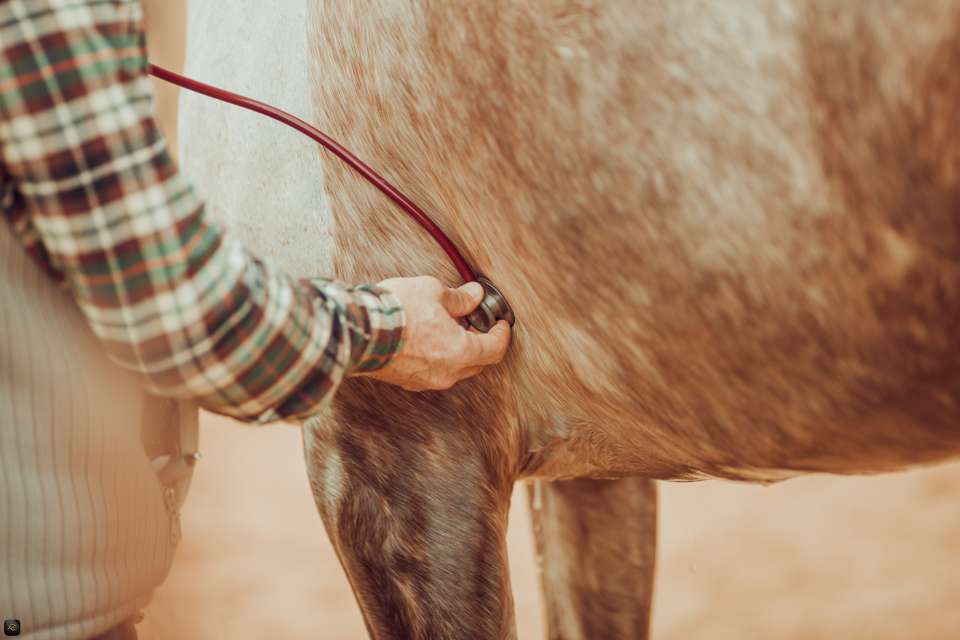
Just because a pony looks shiny and healthy on the outside doesn't mean everything is working perfectly on the inside. In the equestrian world, the safety check used to uncover these hidden issues is called a Pre-Purchase Exam (PPE). Think of this appointment like a home inspection before closing on a house; you are hiring a professional to look for cracks in the foundation or wiring issues behind the walls that a casual walk-through would miss. A standard PPE involves a licensed veterinarian evaluating the pony’s general health—listening to the heart and lungs and checking vision—to ensure the animal is physically capable of doing the job you need it to do. While this exam adds an upfront cost, usually starting around a few hundred dollars, it acts as an essential insurance policy against the heartbreak and massive expense of buying an animal that requires immediate medical care.
Selecting the right professional to perform this exam is just as critical as the checks themselves. You should always hire a veterinarian who works for you, the buyer, rather than using the seller's regular vet. This precaution ensures you receive an unbiased opinion, free from any conflict of interest or unconscious pressure to help a long-time client make a sale. If you are buying a pony in a different town, do not hesitate to call a neutral local clinic to schedule the appointment. You are paying for an objective assessment of the animal's health, and you need a partner who is strictly looking out for your wallet and your future safety.
During the physical evaluation, the vet will focus heavily on "soundness," which is the industry term for a horse’s ability to move without pain or lameness. Ponies are particularly prone to a condition called laminitis—a painful and often chronic inflammation inside the hoof that can make them permanently unrideable. Because ponies are stoic animals, they often hide low-level pain well, making these issues invisible to an untrained parent until the damage is severe. The vet will flex the pony's joints and watch it trot on hard ground to catch subtle signs of stiffness or uneven movement that might indicate early arthritis or previous injuries.
A PPE is rarely a simple "pass" or "fail" test, but rather a risk assessment tool. The results help you decide if you can manage the pony's specific maintenance needs within your budget and experience level. The vet might find a minor issue that is easily managed with special shoeing, or they might discover a significant defect that makes the pony unsafe for a beginner child.
Once the sale is final, the shopping spree begins. In the horse world, the collective term for all the equipment you use to ride is "tack." While it is tempting to buy the prettiest saddle pad or the shiniest bridle, priority must always go to how the equipment fits the animal rather than how it looks. A saddle that pinches a pony’s back is like a runner trying to sprint in shoes that are two sizes too small; eventually, the pain will cause them to act out, often leading to bucking or a refusal to move. It is worth paying a professional saddle fitter to adjust your gear, ensuring safety and comfort for both the pony and your child.
Beyond riding equipment, you need a toolkit for daily hygiene. You do not need the most expensive brand names to build a functional grooming kit; a sturdy bucket filled with the basics can often be assembled for under $100. Regular grooming is the best way to bond with the new arrival and check for small injuries, so having the right tools on day one is essential.
Essential Tack and Grooming Kit Checklist:
Bringing the pony home is a major emotional milestone, but the change in environment can be stressful for the animal. A pony that was calm at its old yard might seem jittery or "spooky" (fearful) when it first arrives at your property. This is normal; imagine being dropped into a foreign country where you don't speak the language or know the routine. To mitigate this, implement a "quiet week" strategy: keep riding to a minimum for the first few days and focus on hand-walking, grooming, and feeding. This low-pressure introduction helps the pony learn that their new home is a safe place before you add the physical demand of exercise.
Just like buying a vehicle requires a title transfer, finalizing a pony purchase demands specific documentation to prove the animal is legally yours. In many regions, the primary identification document is the Equine Passport, which functions much like a car’s V5C/logbook; it records the pony’s microchip number, vaccination history, and verified age. Always cross-reference the microchip number on the passport with a scanner during your vet check to ensure the pony standing in front of you is actually the one described in the paperwork. While this might sound paranoid, accidental mix-ups or deliberate misrepresentations of age are not uncommon in the private market, and verifying identity prevents you from inadvertently buying an older animal that may require retirement sooner than expected.
A handshake is never enough when money changes hands, so you must insist on a written Bill of Sale or purchase agreement to formalize the transaction. When drafting a private horse sale contract, clarity is your best defence against future disputes. The document should explicitly state the purchase price, the date of transfer, and any warranties regarding the pony’s health or training level. Crucially, if the seller agrees to a "trial period"—a time where you take the pony home to ensure it fits your family before the sale is final—this must be spelled out in detail, including who is financially liable if the animal gets injured during that window. These protections are bilateral; if you are ever on the other side of the fence selling your pony, a strong contract ensures you are paid on time and that the animal is officially transferred out of your liability.
For families who feel overwhelmed by the permanence of ownership, there is a lower-risk middle ground known as a "full lease." Comparing leasing a horse vs purchasing is similar to renting a house versus buying one; in a full lease, you take over the daily care and boarding costs of the pony, effectively acting as the owner, but the legal title remains with the original owner. This arrangement allows you to experience the full weight of the time and financial commitment without being tied to the animal for twenty years. If the lease goes well, you can move forward with confidence; if it proves too difficult, you can simply end the contract with notice.
You started this journey with a vision of a pony in the paddock and perhaps a bit of anxiety about the unknown. Now, you possess the tools to look past a shiny coat and see the reality of ownership. You understand that "hands" is just a measurement, not a mystery, and that the purchase price is often the smallest cheque you will write. You now know exactly what to look for to keep your family safe and your finances stable.
Before you make that final call, ensure you have ticked off these critical boxes in your buying a pony plan:
Once the trailer ramp closes and the pony is home, shift your focus from evaluation to connection. Your first 90 days should be a "Settling In" period where bonding takes precedence over performance goals. Whether you have purchased a reliable schoolmaster or a younger sport pony with future potential, the animal needs time to trust its new environment. Even if you have aspirations for a dressage pony down the road, keep the pressure low and the routine consistent. Prioritize simple activities like grooming and hand-walking to establish mutual respect before asking for complex work under saddle.
Bringing a pony into your life is a massive responsibility, but it offers an unmatched reward. You are no longer just a shopper; you are the steward of a living creature’s well-being. By keeping "Safety First" as your mantra for every interaction—from the pasture gate to the grooming stable—you ensure that the dream remains a positive reality. Trust your preparation, lean on your support team, and enjoy the quiet magic of hearing those hoofbeats in your own backyard.
Browse thousands of quality sport horses or list your horse for free on Europe's fastest-growing equestrian marketplace.
First Month Free for Every Listing — No Hidden Fees
Written by
PaardPlaats
Specializing in helping buyers find their perfect horse and sellers achieve the best prices through expert market knowledge and proven sales strategies.
/blog/buy-pony/grooming-kit.png)