
Before You Read
Looking for Your Next Horse?
Explore thousands of quality sport horses while you're here.
Explore thousands of quality sport horses while you're here.
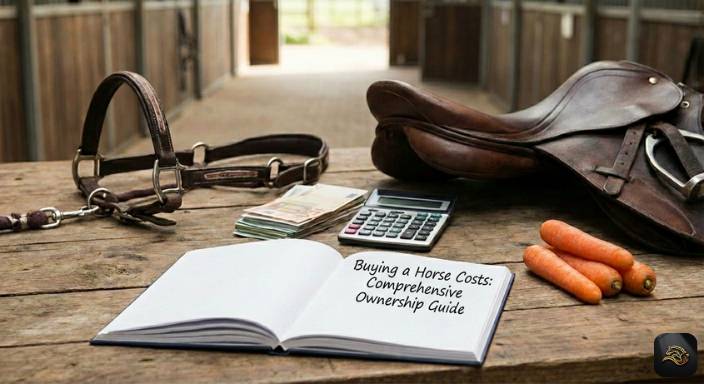
Buying a horse is a significant decision. It involves more than just the initial purchase price. Understanding the full scope of costs is crucial.
Horse ownership costs can vary widely. Factors like breed, age, and training influence the horse buying price. Sporthorses for sale often come with higher price tags due to their specialized skills.
Beyond the cost of horses, ongoing expenses are substantial. These include feed, boarding, and veterinary care. Equipment and insurance add to the financial commitment.
Prospective buyers should consider these factors carefully. It's important to plan for both expected and unexpected expenses. This guide will help you navigate the financial aspects of horse ownership.
The initial purchase price is your first major cost. It can range from hundreds to thousands of dollars. The wide range depends on several factors.
Factors Affecting Cost:
Breed: Some breeds are more sought after.
Age: Younger horses may cost more, but older ones can be pricier if trained.
Training and Pedigree: Well-trained horses with good pedigrees often demand higher prices.
Sporthorses are a premium category. They are bred and trained for performance. This specialization makes them more expensive.
The market condition also influences prices. Economic trends can cause fluctuations. Supply and demand play a crucial role too.
It's essential to set a budget before buying a horse. Knowing your financial limits can narrow your search. Always account for the various factors influencing the horse buying price. This approach can help you make an informed decision. A pre-purchase exam by a vet is advised. It assesses the horse's health and helps ensure you make a sound investment.
Several aspects can impact the cost of purchasing a horse. Each factor contributes to the final price you may pay.
First, breed plays a significant role. Some breeds are known for unique traits. Others might be more versatile or popular. Rare breeds often come with a higher price tag.
Second, consider the age and training of the horse. Younger horses require more training. Older ones may have experience and skills that make them more valuable.
Another influence is the horse’s health and pedigree. A horse with a strong lineage may command a higher price. Health history can also affect costs.
Other contributing factors include:
Market demand
Geographical location
Seasonal trends
Each of these elements can raise or lower the buying price. Understanding them can help in assessing potential horses for sale. Ensure you evaluate each factor to determine the best fit for your budget and needs.
Sporthorses are often priced higher than regular horses. Their specialized training and abilities make them valuable assets in competitions.
These horses excel in specific disciplines. Whether it's show jumping, dressage, or eventing, each sporthorse is groomed for performance. This training requires significant time, expertise, and cost.
The breeding of sporthorses is another factor. Carefully selected lineages aim to produce top-tier performance traits. This attention to detail further increases their market price.
Key reasons for high sporthorse prices include:
Specialized training
Competitiveness in equestrian sports
Select breeding for specific traits
Potential buyers should be prepared for these costs. It's important to recognize the value embedded in the training, breeding, and abilities of sporthorses. This understanding aids in making an informed decision when exploring sporthorses for sale.
Many new horse buyers overlook hidden costs. These expenses can quickly add up and strain budgets.
One significant hidden cost is unexpected medical bills. Horses, like all living beings, can fall ill or get injured unexpectedly. Equipment repairs are another overlooked expense. Halters break and saddles need mending.
Facility upkeep can also surprise owners. Small repairs to fences or stalls can become frequent. These hidden costs might not be obvious at first but are essential to plan for.
Some common hidden costs are:
Unforeseen veterinary bills
Repairs to horse tack and equipment
Ongoing facility maintenance
Being aware of these expenses helps in preparing a comprehensive budget. This foresight ensures a smoother horse ownership experience without unexpected financial strains.
Owning a horse involves recurring costs beyond the initial purchase. Budgeting for these expenses is crucial for responsible ownership.
Monthly boarding fees vary widely depending on the location and services offered. High-end stables offer full-service care while pasture boarding is often more economical.
Feeding costs are essential to maintain the horse's health. High-quality hay and grains are necessary, especially for performance horses.
Routine veterinary and farrier care are vital parts of horse health. Skimping on these services can lead to bigger problems down the road.
Essential ongoing costs include:
Boarding and stabling fees
Feed and nutrition products
Veterinary care
Farrier services
Equipment and upkeep
Understanding these costs will help you prepare for the commitment. Proper financial planning ensures a happier and healthier horse and owner.
Boarding options vary with significant differences in price and services. Full-service stables offer comprehensive care for higher fees.
Basic pasture boarding is a more cost-effective choice. It usually includes basic feed and care but less individualized attention.
Location impacts boarding prices significantly. Rural areas often have more affordable options than urban centers.
Key considerations for boarding:
Full-service stabling: includes feed, cleaning, and care
Pasture boarding: basic care with less individual attention
Facility location and amenities
It's important to match your choice to your budget and the horse's needs. Proper stabling is fundamental for your horse's well-being.
A horse's diet is central to its health and vitality. High-quality hay is a staple, typically the most consistent cost.
Grain supplements support horses with higher energy demands. Costs depend on the horse's activity level, size, and dietary needs.
Budgeting for adequate feed is essential. Neglecting nutrition affects the horse's overall health and performance.
Key feeding costs include:
Quality hay
Grain and feed supplements
Discussing feed strategies with a vet or nutritionist ensures proper care tailored to your horse's needs.
Regular veterinary care is a must for any responsible horse owner. Routine checkups, vaccinations, and dental work are ongoing expenses.
Emergency treatment can be costly but vital. Planning for unexpected vet bills is a wise practice.
Health costs can vary but remain an essential part of your budget. Ignoring health care leads to larger problems.
Essential veterinary costs include:
Routine exams and vaccinations
Dental care
Emergency treatments
Prioritizing healthcare helps prevent issues and maintains your horse's optimal condition.
Hoof health is critical to a horse's well-being. Regular farrier visits maintain healthy hooves, a necessity every 6-8 weeks.
Shod horses often have higher costs due to the need for shoes. Barefoot horses also require trims and attention.
Farrier schedules depend on the horse's needs and workload. It's crucial not to skip these sessions.
Farrier services include:
Hoof trimming
Shoeing as needed
Investing in hoof care ensures your horse remains sound and comfortable.
Quality tack is essential for riding safety and comfort. Saddles, bridles, and other gear can be significant investments.
Beyond initial purchases, upkeep and occasional repairs are necessary. Well-maintained equipment lasts longer.
Essentials include:
Saddles and bridles
Grooming tools
Equipment's quality and fit affect performance. It’s beneficial to prioritize these items in your budget.
Insurance offers financial protection against unforeseen events. Mortality, major medical, and liability are common coverage options.
Weighing the potential costs and benefits is important. Insurance isn't mandatory but gives peace of mind for some owners.
Types of insurance include:
Major medical
Mortality
Liability
Consult with an insurance agent to explore options that fit your situation and concerns.
Continual training benefits both horse and rider. Lessons enhance skills, while competitions offer goals and community connections.
Professional trainers and entry fees can strain budgets. Planning for these can ensure continued improvement.
Considerations for training costs:
Riding lessons
Competition entry fees
Investing in education enhances the horse-riding experience and fosters development.
Transporting horses requires reliable vehicles and trailers. Initial costs are steep, and maintenance is ongoing.
Fuel and travel fees for competitions and shows add up quickly. Planning trips can help manage these expenses.
Transport costs include:
Trailer purchases or rentals
Fuel and maintenance
Considering these costs ensures readiness for travel when necessary, supporting both everyday and competition needs.
Leasing a horse provides a cost-effective way to experience horse ownership. It offers flexibility without the full financial commitment.
Shared ownership or partnerships reduce individual costs while allowing joint responsibilities. This approach can ease the entry into horse stewardship.
Consider these alternatives:
Leasing: temporary use without full costs
Shared ownership: split expenses and care
These options appeal to those cautious about long-term costs and commitments. They offer valuable opportunities to learn and decide about future full ownership.
Careful planning can significantly lower horse ownership costs. Start by creating a detailed monthly budget.
Explore different ways to save money:
Buy used equipment and tack.
Share expenses with another horse owner.
Take advantage of group discounts on supplies and feed.
Think about joining equestrian clubs for shared resources. Learning more can lead to savings as well. Seek advice from seasoned equestrians to make informed financial choices. Plan ahead for expected and unexpected expenses. Smart financial management ensures a more affordable and enjoyable horse ownership experience.
Understanding the true cost of horse ownership is essential. Proper planning helps manage your financial commitment effectively.
Here are some key points to remember:
Initial purchase cost varies greatly with breed and training.
Ongoing expenses include boarding, feeding, and healthcare.
Be aware of hidden costs like equipment repairs and emergency vet bills.
Consider leasing if uncertain about full ownership.
Staying informed and prepared will help you enjoy horse ownership responsibly. Evaluate all costs and options before making this significant decision.
Prospective horse owners often have questions about costs. Understanding financial commitments can ease decision-making.
Here are common questions:
What is the average price to buy a horse?
How often do I need to pay for boarding?
Are veterinary costs high for horses?
Remember, each horse’s expenses can differ. Your costs will depend on location, type of horse, and care standards.
Be sure to consult with experienced horse owners. They can offer practical insights on managing expenses effectively.
Browse thousands of quality sport horses or list your horse for free on Europe's fastest-growing equestrian marketplace.
First Month Free for Every Listing — No Hidden Fees
Written by
PaardPlaats
Specializing in helping buyers find their perfect horse and sellers achieve the best prices through expert market knowledge and proven sales strategies.